
Noise, Hearing Loss and Hearing Protection

What is noise-induced hearing loss?
Noise-induced hearing loss (NIHL) can occur when sounds are too loud. These sounds can damage the hair cells in the inner ear and cause noise-induced hearing loss (NIHL). The hearing loss can be immediate or over a long period of time. It can be temporary or permanent. Generally the more exposure to the loud noise, the more damage is done to the ears.

How loud is too loud?
In general, the advice from experts is that people are advised against prolonged exposure to any sound above 85 decibels. However, it does depend on how long and how often the person is exposed. In general, the louder the sound, the shorter the time for NIHL to occur.
How do I know if I have damaged my hearing?
Hearing loss due to noise exposure can occur slowly over a long period of time. As the damage from noise exposure is usually gradual, you might not notice it until it becomes more pronounced. Over time, you may find it more difficult to understand other people when they talk or have to turn up the volume on the TV. Sometimes the damage from NIHL, combined with wear and tear over the years, may mean the hearing loss is severe enough that hearing aids may be required to help you hear. Sometimes if the hearing loss is a result of exposure through your workplace, compensation may be available through Work Cover. Our Audiologists are registered to provide hearing services through WorkCover.
Hearing Protection
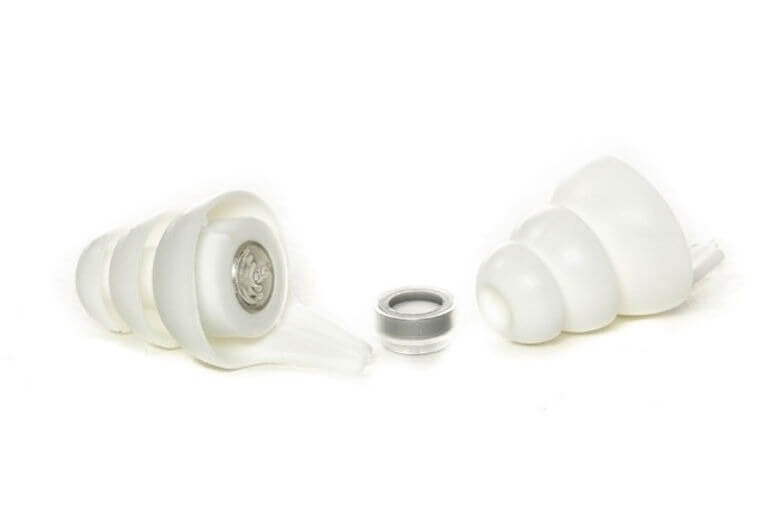
As Audiologists, we recommend hearing protection whenever you are exposed to loud noises regardless of how long the exposure. This would include activities such as lawn mowing, chain sawing, seeing a band or riding a motorcycle. As such there are a variety of different types of hearing protection on the market. These can be ear muffs or ear plugs which can be purchased off the shelf. Alternatively there are custom made plugs which can be made specifically for the individual with filters for musicians or unfiltered for maximum noise protection.