
Otitis Media in Children
What is Otitis Media?
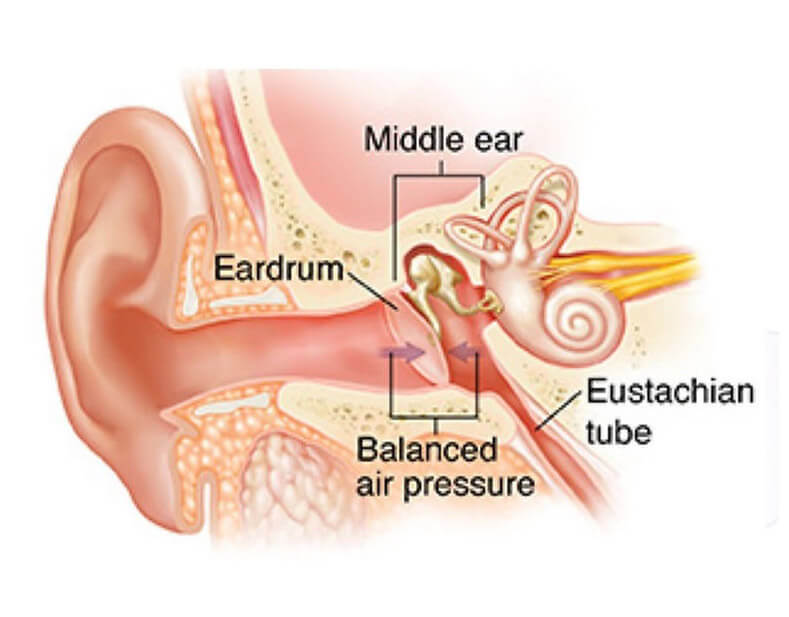
Otitis Media is fluid build up in the middle ear. The middle ear is the space behind the eardrum which usually air filled. The middle ear contains 3 tiny bones called the ossicles which help to transmit sound to the auditory nerve. There is a pressure valve that controls the air in the middle ear and its pressure which is called the Eustachian tube. The eustachian tube connects the ear to the back of the nose. If the Eustachian tube becomes blocked, air cannot enter the middle ear and the fluid produced by the lining of the middle ear becomes trapped. The fluid can be runny like water or thick almost like 'glue' This is known as 'glue ear'. The longer the eustachian tube remains blocked, the greater the risk of middle ear infection.
What is Otitis Media?
Otitis media is an infection or inflammation of the middle ear. In children, it is a common condition that can occur as a result of a cold or other upper respiratory infection. The infection can cause fluid build up in the middle ear, which can lead to pain, fever and difficulty hearing. In some cases, there is enough pressure in the middle ear to cause a rupture of the ear drum (perforation). Otitis media is typically treated with antibiotics. In some cases, if the fluid is persistent and is causing fluctuating hearing loss, pain and/or speech delay, the child may need to have the fluid drained from the middle ear.
How common is Otitis Media in Children?
Otitis media is a very common condition in children, It is estimated that around 75% of children will have at least one episode of otitis media before they reach the age of three. Increased incidence of otitis media is observed in children under 2. It can be caused by a variety of factors including colds, allergies and exposure to cigarette smoke.
Are there complications of Otitis Media?
With antibiotics and modern surgical treatments, complications are very rare.
If untreated, long term otitis media could result in:
- Hearing Loss: prolonged inflammation may cause temporary and sometimes permanent damage to the eardrum and middle ear bones.
- Speech and language delays: most often a side effect of fluctuating hearing loss, children may experience delays in speech development.
- Mastoiditis: this is a severe infection of the mastoid bone behind the ear, This can lead to severe illness and permanent hearing loss.
- Perforation of the eardrum: The ear drum can be perforated due to the pressure caused by the fluid accumulation in the middle ear. This can be very painful and may lead to permanent hearing loss.
- Cholesteatoma: this is a growth that can occur behind the eardrum and can lead to chronic infections and permanent hearing loss.
What Symptoms & Signs should I look out for?
- Hearing loss
- Fever
- Discharge from the ear which could indicate a perforation (hole)
- Irritability, poor sleep
- Poor language development
- Concerns at school
- Distress with loud noises such as hand dryers, blenders
What can the Audiologist do?
Your MPA Audiologist will perform a middle ear pressure check (tympanogram) to measure the ear drum movement. We will also conduct a comprehensive hearing test to assess you or your child's hearing ability. If there is hearing loss and abnormal middle ear function likely due to otitis media, we will recommend further management by your family doctor. A review hearing test may be recommended to determine if it is a persistent problem.
Can Otitis Media be fixed?
Otitis Media can resolve on its own. However, if your child's otitis media is considered to be persistent, referral to an Ear, Nose and Throat specialist may be recommended. This can be arranged by your GP. The ENT surgeon may suggest a minor surgery to insert Middle ear ventilation tubes or grommets. Grommets are tiny little plastic tubes that are inserted into the ear drum to help prevent the otitis media from building up. The grommets remain in the ear drum for 6-12 months and fall out on their own.